The best feature wall ideas do more than decorate a blank surface. They give the room a visual anchor, highlight architecture, and help guide the eye through the space. The key difference between a feature wall and an accent wall is that a feature wall is designed to command attention and become one of the room’s more defining elements.
Current feature wall trends also reflect a larger movement toward warmer materials, tactile surfaces, and layered architectural detail, making texture just as important as color when creating a focal point. While paint can certainly make a statement, materials with defining texture and dimension can make a blank wall feel more like a direct extension of the architecture.
Ready to give a blank wall a bigger role? Explore five feature wall ideas—and the design principles that unleash their full impact.
1. Empower Architectural Presence With Faux Stone
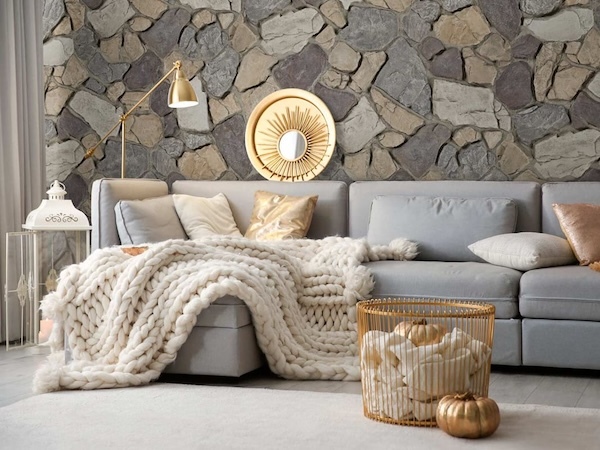 Anson Fieldstone Faux Stone Wall Panels in Mist
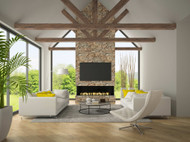
Few materials establish a focal point as effectively as stone. In a living room, installing faux stone panels from floor to ceiling around a fireplace can transform an ordinary wall into the room's architectural center. Faux stone can also bring depth to a large dining room, stairwell, or exterior wall without requiring traditional masonry.
The design principle here is scale. Extending stone across a substantial portion of the wall gives the material enough presence to define the space rather than read as a small decorative detail. Its nature-inspired texture also works particularly well in interiors that lean into warm neutrals, wood tones, and other organic finishes.
If you’re considering installing faux stone around a fireplace, please keep safety in mind. Polyurethane products have similar burning characteristics to real wood and are considered combustible. Most of our products can be used around a fireplace as long as you follow the insert or stove manufacturer's specifications for required clearances—and you must use a stone or non-flammable border when using them around an open hearth. Please visit our products around fireplaces guidance for full fire safety information.
2. Give a Blank Wall Instant Character With Brick
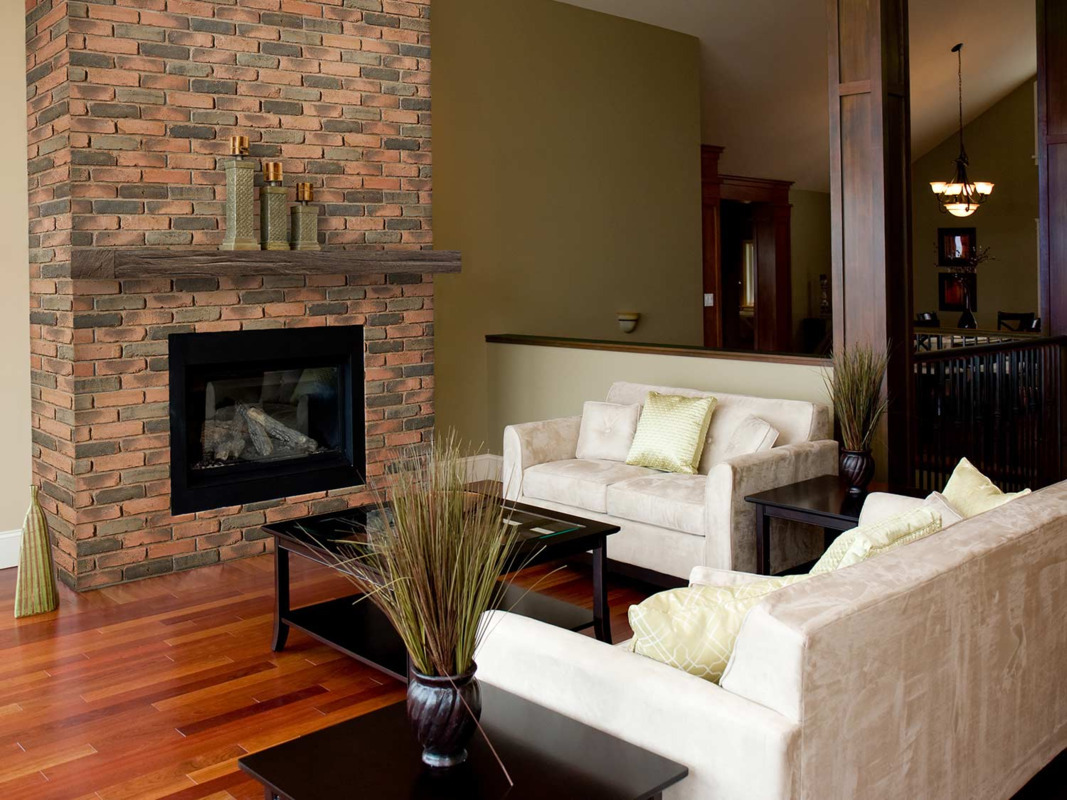 Old Chicago Faux Brick Wall Panels in Merlot
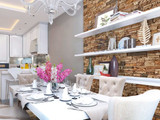
Brick brings instant texture and works across styles ranging from urban and industrial to farmhouse and transitional. Faux brick panels can create a dramatic backdrop behind a dining table, home bar, or living room seating area while giving the space a more established architectural feel.
For a cohesive design, repeat colors from the brick elsewhere in the room through flooring, cabinetry, furniture, or textiles rather than including too many competing finishes. That repetition helps a bold brick wall feel connected to the room instead of looking like a feature that was added in isolation.
3. Use Wood Looks to Create Warmth and Visual Rhythm
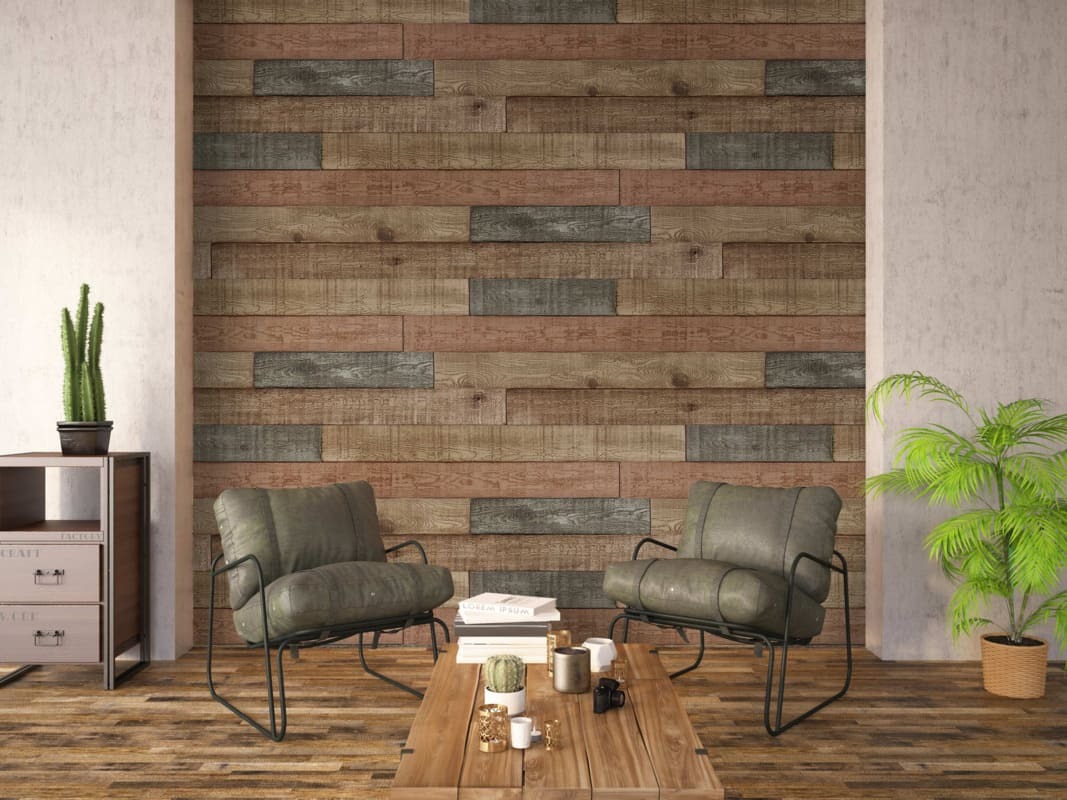 Reclaimed Shiplap Faux Barn Wood Wall Panels in Rustic
Some of the most popular feature wall inspiration features wood and wood-look treatments because they both introduce warmth and architectural structure to an otherwise blank wall.
Orientation can evolve the effect, too. Vertical planks or panels draw the eye upward and emphasize ceiling height, while horizontal installations can make a broad wall feel even more expansive. Long lines create visual rhythm, and natural wood tones pair easily with the warm neutral color palettes, organic materials, and layered textures that are commonplace in current design trends.
The key is to let that directional movement work with the proportions of the room. A feature wall should enhance the architecture—not visually fight against it.
4. Make the Wall Part of the Art With Acoustic Panels
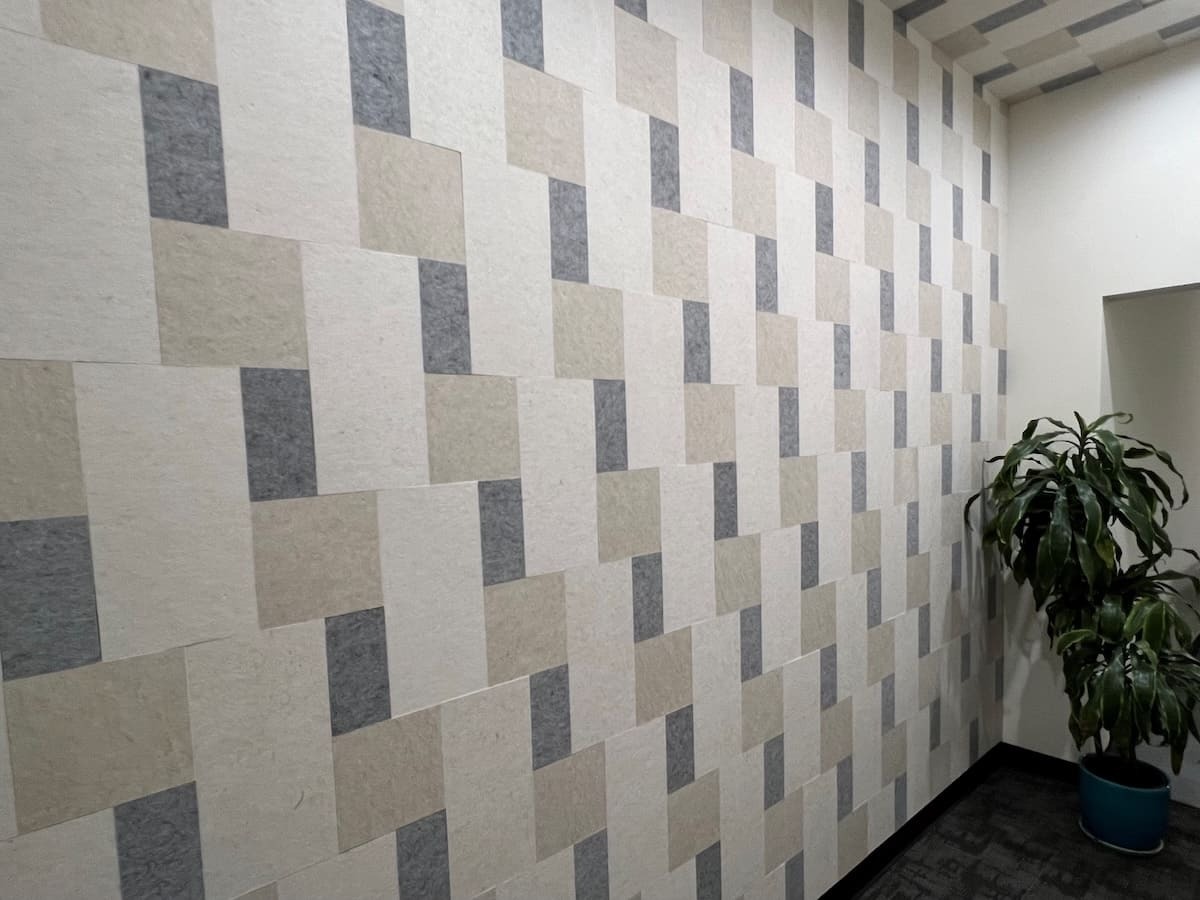 FSorb Acoustic Panels in Grey, Light Beige, and Charcoal
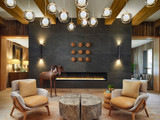
A feature wall can make a visual statement while helping manage sound in the room. For a bold, graphic approach, FSorb Acoustic Panels come in a wide range of colors and can be cut into custom shapes, which allows homeowners, builders, and designers to create geometric compositions, color-blocked treatments, or other large-scale patterns.
Prefer something warmer and more architectural? Slat Wood Acoustic Wall Panels by AcousticMOD pair the linear look of wood slats with acoustic performance. Installed across a feature wall, the repeating vertical lines create rhythm and can draw the eye upward, while wood-look finishes such as Teak bring warmth that works especially well in contemporary living spaces, offices, and hospitality settings. AcousticMOD panels are also DIY-friendly and offer a 0.45 NRC rating that can extend up to Class A sound absorption.
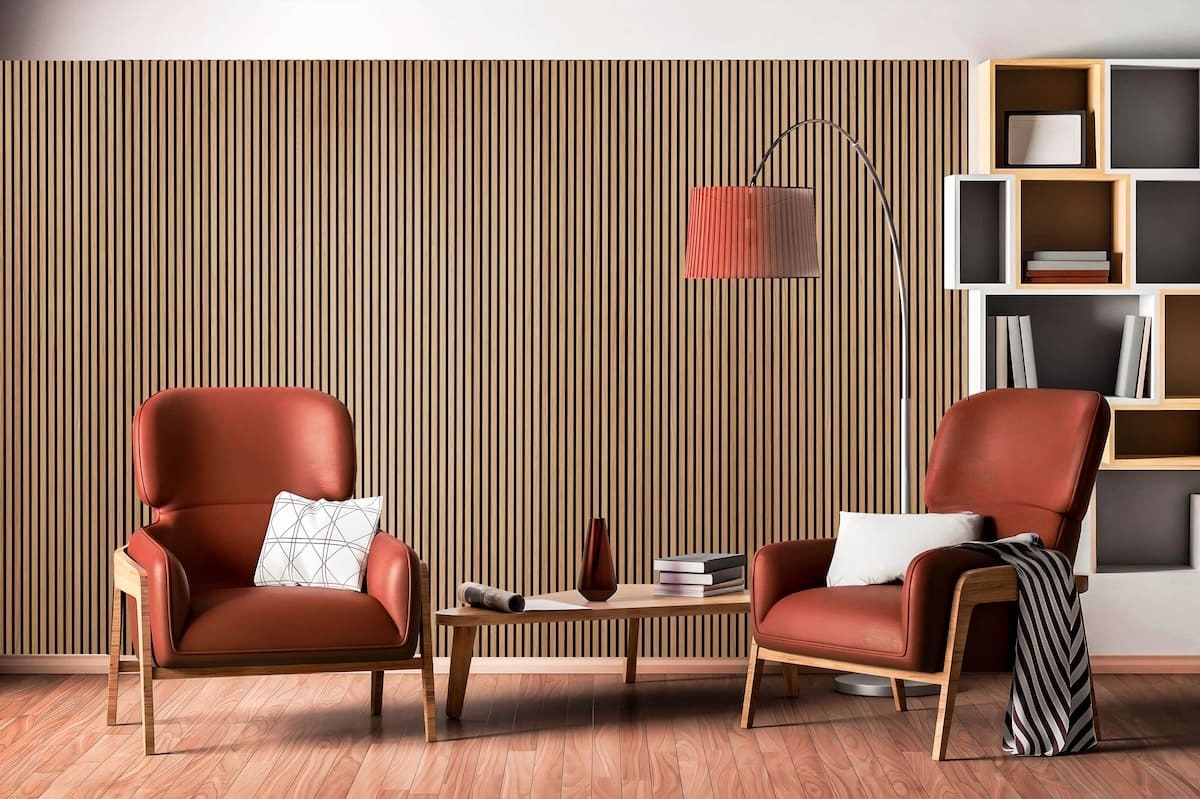 Teak Color Slat Wood Acoustic Wall Panels
These two approaches show just how different an acoustic feature wall can feel. FSorb can become part of the artwork through color, shape, and pattern, while AcousticMOD creates a more refined statement through wood tones and repetition. Either way, give a treatment with this much visual presence some breathing room by keeping nearby finishes and décor from competing too heavily.
5. Take the Feature Wall Beyond the Living Room
 Colorado Dry Stack Faux Wall Panels in Mist
Living rooms may be an obvious starting point for feature wall inspiration, but a feature wall can define almost any space that lacks a strong visual anchor.
Behind a bed, textured panels can eliminate the need for an oversized headboard or extensive wall decor. In a kitchen and dining area, brick or wood-look materials can separate a gathering zone visually without changing the floor plan. Even a covered patio or exterior entertaining wall can become a destination with the right decorative wall panels.
Feature Wall Mistakes That Can Throw Off the Room
Even striking feature wall ideas can fall flat when the wrong wall or material is chosen. Before committing to your DIY feature wall, watch for three common missteps:
- Highlighting the wrong wall. Avoid choosing a surface that has no natural relationship to the room’s furniture, architecture, or primary sightlines.
- Creating competing focal points. If a fireplace, statement window, or another architectural element already commands attention, consider whether your treatment should reinforce it rather than creating a second dominant feature nearby.
- Turning every design dial to maximum. Extremely bold colors, heavy textures, oversized patterns, and equally dramatic surrounding finishes can overwhelm the space instead of creating a clear focal point.
Not sure whether you're choosing an accent wall or building a true feature wall? This guide can help: Feature Wall vs. Accent Wall: What's the Difference & How Designers Use Each
Give Your Wall a Reason to Stand Out
Successful feature walls feel like part of the architecture rather than decoration added after the fact. Start with a wall that deserves attention, choose a material that complements the scale of the room, and give that focal point enough visual breathing room to make an impact.
Once you have a direction in mind, you don't have to commit to an entire wall based on what you see on a screen. Order wall panel samples to compare faux stone, faux brick, faux wood, and Slat Wood Acoustic Panel options alongside your flooring, furniture, lighting, and other finishes. Seeing the color and texture in your own space can help you turn feature wall inspiration into a design that actually belongs there.
Shop Related Products