Whether your home has an exposed foundation wall or an open space beneath a raised structure, leaving that area unfinished can take away from an otherwise beautiful exterior. The right foundation skirting or foundation covering can improve curb appeal, create a more finished appearance, and help protect vulnerable areas around your home's base.
Although homeowners often use the terms interchangeably, foundation skirting and foundation covering aren't exactly the same thing. The difference isn't the product—it's the application. Many decorative siding products, faux panels, and stone veneer options can be used for either solution. The key is understanding whether you're enclosing an open space beneath a raised home or enhancing an exposed foundation wall.
Whether you're updating a manufactured home, improving a raised house, or refreshing an exposed foundation wall, this guide explains the difference between foundation skirting and foundation covering, compares today's most popular materials, and helps you choose the right solution for your home.
Foundation Skirting vs. Foundation Covering
Before selecting materials, it's important to determine which application your home actually needs. While both foundation skirting and foundation covering improve curb appeal and create a more finished appearance, they’re designed for different applications. Many Barron Designs products—including faux stone, brick, and exterior siding—can be used for either application. The deciding factor isn't the product itself, but whether you're covering an exposed foundation wall or enclosing the open space beneath a raised home.
Foundation Skirting
Foundation skirting encloses the open space between the ground and the underside of a raised structure, such as a manufactured home, mobile home, modular home with a raised foundation, or a pier-and-beam house. In addition to creating a cleaner, more finished appearance, it helps deter animals, wind, and debris while concealing structural components and utilities beneath the home.
Foundation Covering
Foundation covering is applied directly to an exposed foundation wall to improve its appearance and help protect the surface from weather exposure. Rather than enclosing open space, it transforms visible concrete or masonry into an attractive architectural feature using decorative siding, faux panels, stone veneer, brick veneer, and similar materials.
When Do You Need Exterior House Skirting?
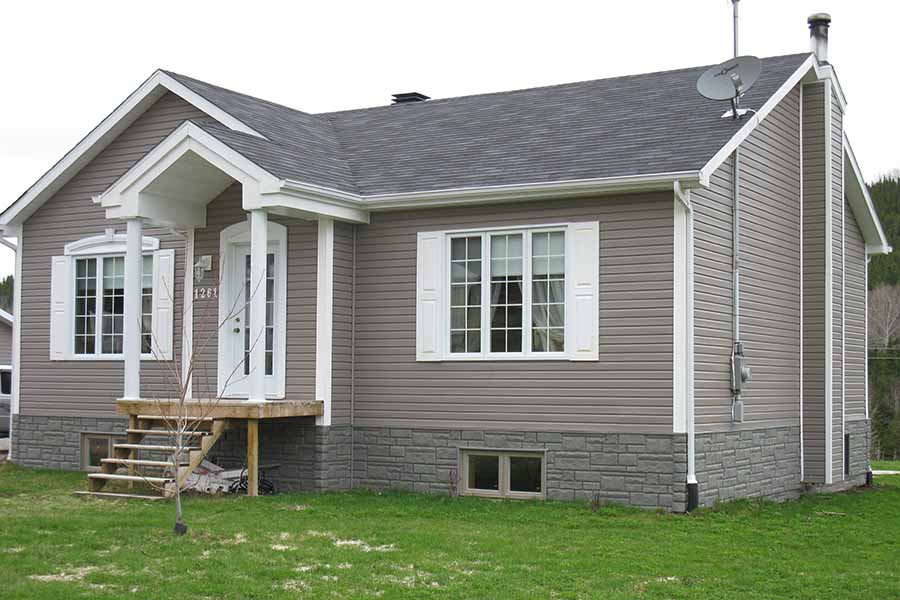
Exterior house skirting is designed specifically to enclose the open space beneath raised homes. If your home has an exposed concrete or masonry foundation instead, you'll typically use foundation covering rather than skirting. Understanding this distinction makes it much easier to choose the right materials and installation method for your project.
While exterior house skirting serves important functional purposes, it also plays a major role in your home's overall appearance. Because it wraps around the base of the home, skirting creates the visual transition between your home's exterior and the landscape, making it one of the first architectural details people notice. Choosing a material that complements your home's architecture creates a polished exterior while helping improve curb appeal for years to come.
House Foundation Skirting Options: Pros and Cons
Once you've determined that foundation skirting is the right solution for your home, the next step is selecting the best material. Every option offers a different balance of appearance, durability, maintenance, installation, and long-term value.
Before you commit to a material and a project, consider these factors:
- Price of materials and labor
- Looks/quality
- Customization options
- Durability
- Ease of installation
- Required maintenance
- Resistance to insects and weather conditions
- Neighborhood restrictions
- Compatibility with the upkeep of adjacent landscaping
Below, we describe five popular house foundation skirting options along with their benefits and drawbacks to help you determine which solution is best for your home.
1. Lattice Skirting
Lattice exterior house skirting is a popular choice among homeowners who need a quick and super-affordable solution to enclose the open space between the pier-and-beam foundation and the ground. This crisscross-patterned material is often made of wood, plastic, PVC, or vinyl and is readily available in stores.
Lattice is popular because it's affordable and promotes airflow beneath raised homes, but it's important to weigh those advantages against its durability and its ability to keep out pests.
Pros:
- Budget-friendly
- Lightweight
- Easy to install and remove
- Best skirting material for airflow underneath the house
Cons:
- Can be damaged by animals, weather, and landscaping
- Enables small animals and pests to access under your home
- May not complement all home styles
- Doesn't offer insulation
2. Vinyl Skirting
Many people with vinyl-sided homes choose vinyl exterior house skirting that coordinates with the existing siding. Vinyl skirting can also be installed on a home without vinyl siding for a clean, professional finish.
Vinyl remains a popular option because it's easy to maintain and readily available in a wide range of colors. However, its long-term performance often depends on your local climate and weather conditions.
Pros:
- Quick installation
- Affordable
- Easy to clean
- Available in a wide variety of colors
Cons:
- Deteriorates faster from extended periods of sun exposure
- Can be damaged by landscaping tools
- Longevity depends on your local climate and weather patterns
- Can be impacted by high winds
3. Metal Skirting
Metal house skirting made from galvanized steel or aluminum adds a touch of rustic, yet modern appeal to a home's exterior. Often, metal skirting is found on rural or manufactured homes that benefit from the longevity of the material.
Metal skirting is often selected for its durability, making it a practical option for homeowners who prioritize longevity and weather resistance over decorative character.
Pros:
- Can be treated to prevent rust
- Durable and long-lasting
- Cost-effective
- Resistant to pests
- Can withstand harsh weather conditions
- Easy to install
Cons:
- Can rust in humid environments despite special coatings
- The sleek, modern style of metal may not complement every home's architecture
4. Natural Brick or Stone Skirting
Authentic brick and stone skirting adds strength and natural beauty to a home's exterior. Likely to be one of the more expensive options, brick and stone house foundation skirting is also one of the most durable solutions available.
If achieving the look of genuine masonry is your top priority, natural brick and stone deliver timeless curb appeal. However, that beauty often comes with higher material, shipping, and installation costs.
Pros:
- Attractive and available in a wide variety of styles
- Brick and stone are durable and can withstand weather conditions
- Resistant to fading
- Adds a layer of insulation to your home
Cons:
- Expensive to purchase and ship
- May require a wire brush to clean
- Heavy and difficult to manage on your own
- Requires professional installation, further increasing your cost
5. Evolve Stone Skirting
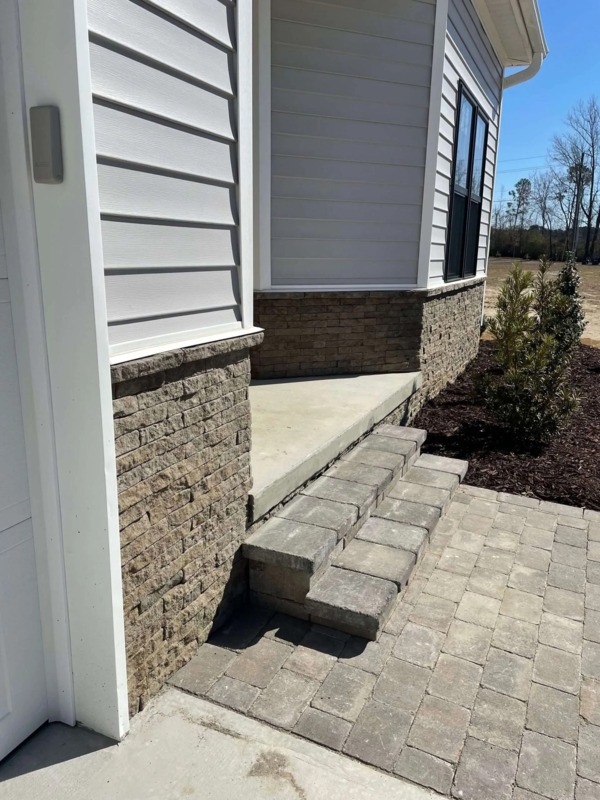 Evolve Stone District View in Morning Aspen
Evolve Stone offers homeowners the authentic appearance and texture of real stone with a significantly easier installation process than traditional masonry. Because each stone is installed individually, it creates a natural, high-end finish that's ideal for both foundation coverings and foundation skirting applications when installed over the proper substrate.
Pros:
- Ultra-realistic appearance and texture
- Individual stones create a natural finished look
- Lighter and easier to install than traditional masonry
- More affordable than natural stone
- Durable and weather-resistant
- Suitable for both foundation covering and skirting applications
Cons:
- More installation time than large-format panels
- Higher material cost than some faux panel systems
6. Faux Brick, Stone, and Wood Skirting
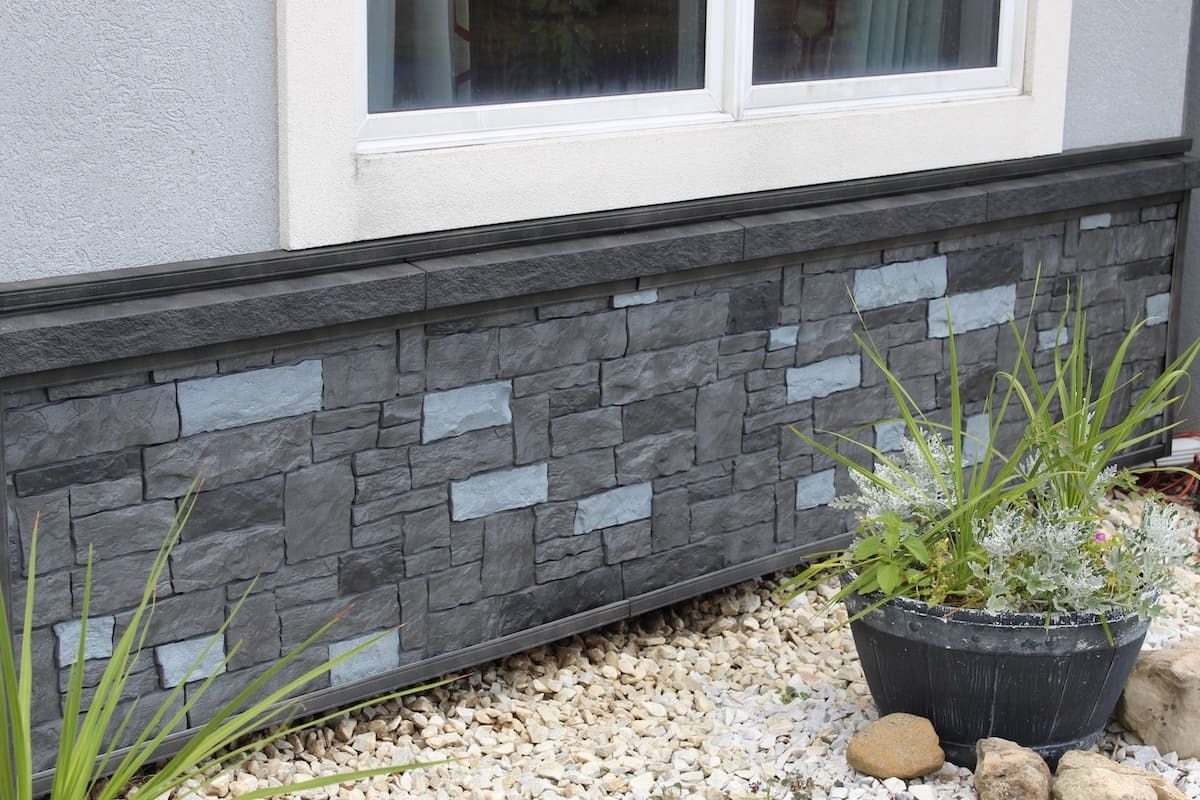 Novik Cobblestone Faux Stone Siding in Carbon
Faux panels and polypropylene siding are excellent exterior home skirting solutions that bring the look of natural materials to virtually any setting.
At Barron Designs, our exterior siding products are an affordable, hyper-realistic alternative to real stone, brick, and wood. Many of these same products can also be installed as foundation coverings, making them a versatile solution for both exposed foundation walls and raised homes that require skirting.
Pros:
- Provide the same natural look and feel as authentic brick, stone, and wood
- Affordable to purchase and ship
- Easy to maintain and clean
- Simple, DIY-friendly installation
- Lightweight
- Resistant to pests
- Resist cracking, chipping, and fading in harsh sunlight
- Available in several colors and styles
Cons:
- While today's premium faux products closely replicate the appearance of natural materials, they don't provide the structural characteristics of full-depth masonry.
How to Choose the Right Exterior House Skirting
Choosing the right foundation skirting involves more than finding a material you like. The best solution balances your home's construction, architectural style, climate, maintenance preferences, and budget to create an exterior that's both beautiful and built to last.
What Look Are You Going For?
The look you want to achieve will often dictate which house skirting solution you choose. Authentic or faux brick and stone creates a more natural, impressive look. For a modern, upscale vibe, you may opt for metal.
Whether you're matching existing siding or giving your home's exterior a complete refresh, choose a material that complements your home's architectural style rather than competing with it.
What’s Your Local Climate?
Do you live in an area with harsh weather patterns, extreme temperatures, or high humidity? Depending on your area’s climate, choose a house skirting material that can resist damage from outdoor elements. Some skirting materials offer more insulating value than others.
For example, siding panels can block wind and do not conduct heat or cold, unlike lattice, metal, or vinyl products.
What’s Your Budget?
The cost of materials and potentially hiring labor for installation can add up. To help you create a realistic budget, take precise measurements to calculate how much material you’ll need to complete your project.
If you're looking for the appearance of natural materials without the higher cost of traditional masonry, DIY-friendly faux brick, faux stone, wood siding, and Evolve Stone can provide exceptional curb appeal while helping reduce installation expenses.
How Easy Is Installation?
Installing house skirting yourself is going to be more cost-effective. But be sure to take into consideration whether or not you are willing and able to do so! House skirting must be installed with care. If you choose the DIY route, selecting a user-friendly material like faux stone or faux brick is always a smart choice!
If you're planning a DIY installation, be sure to follow each manufacturer's installation guidelines. Barron Designs' exterior siding and panel systems are designed to simplify installation while delivering a professional-looking finished result.
Final Check: Does Your Home Need Foundation Skirting or Foundation Covering?
Before purchasing materials, confirm whether your home needs foundation skirting or foundation covering. If your home has an open space beneath a raised structure, foundation skirting is designed to enclose that area. If your home has an exposed concrete or masonry foundation wall, foundation covering is typically the appropriate solution. Many Barron Designs products work for either application, so the deciding factor is your home's construction—not the product itself.
Get Started On Your Exterior Transformation
The right foundation skirting or foundation covering does more than conceal exposed areas around your home—it helps complete your exterior design while improving curb appeal and creating a polished, finished appearance. By choosing materials that complement your home's architecture, climate, and maintenance preferences, you can create an upgrade that looks beautiful and performs well for years to come.
Whether you're updating a manufactured home, enhancing an exposed foundation, or giving your entire exterior a fresh new look, Barron Designs offers realistic faux stone, brick, wood, and exterior siding solutions that make achieving professional-looking results easier than ever. Explore our collection to find the right foundation skirting or foundation covering for your next project.
Shop Related Products