In podcasting, great content alone isn’t enough—sound quality makes or breaks the listener experience. Poor acoustics, echoes, and background noise can’t always be fixed in post-production. Even advanced editing tools have limits.
That’s why podcast soundproofing is essential, not optional. Below, we’ll explore why poor soundproofing creates problems for podcasters and share five DIY-friendly podcast soundproofing pro tips to help you optimize your podcast recording space—from compact setups to large, echo-prone spaces.
Why Poor Soundproofing is Problematic for Podcasters
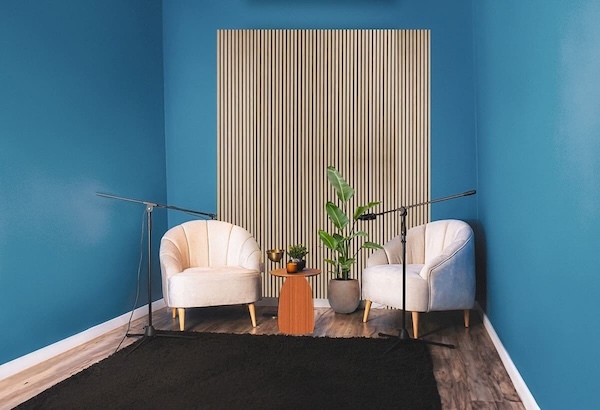
Slat Wood Acoustic Wall Panels in Teak
In the podcasting space, soundproofing is everything. Poor soundproofing introduces problems that even advanced sound editing tools can’t fully fix. Things like echoes, reverberations, HVAC noise, footsteps, neighbor sounds, or road noise can become embedded in the recording—and these problems can lead to a less enjoyable listening experience, or in the worst cases, distractions that cause listener disengagement and drop-off.
Even with modern editing tools, the best you can often do is minimize these sounds. It’s usually impossible to fully remove them without degrading vocal quality or producing unusual-sounding audio artifacts that prove just as distracting as the background noise.
This kind of noise leads to listener fatigue. Even with modern podcast editing software, removing ambient sounds often compromises vocal quality or adds artificial audio artifacts that are just as distracting.
By soundproofing your podcast recording space, you can reduce background noise, eliminate tinny echoes, and simplify your editing process. The result is a more enjoyable experience for your listeners and fewer headaches for you during post-production.
How to Soundproof a Room for Podcasting
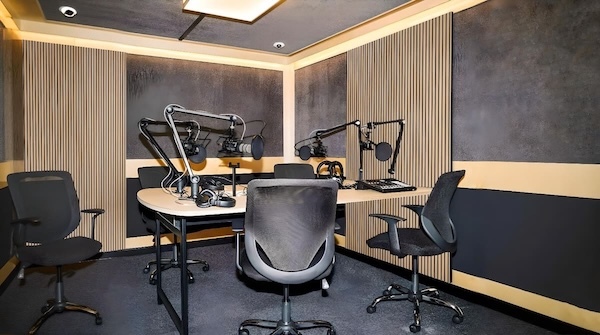
Slat Wood Acoustic Wall Panels in Oak
Podcast studio soundproofing doesn’t have to be a difficult process. You just need to layer several different strategies to control echo, block outside noise, and minimize sound reflection. Here are five proven tips to capture clear, polished, professional-sounding podcast audio.
1. Treat Your Walls With Acoustic Panels
Walls are often the primary cause of echo and reverb in a recording space. Adding Slat Wood Acoustic Wall Panels helps absorb sound waves before they reflect back into your mic.
- In smaller rooms, even a few well-placed panels can make a big impact—especially if you use our third installation method with 45mm mineral wool for Class A sound absorption.
- Larger or open-concept rooms may require more surface coverage to tame echoes across wide walls.
- If your room has windows, place panels on the opposite wall to intercept outdoor noise. For added control, use dense, heavy curtains over the windows.
2. Add Ceiling Panels to Reduce Vertical Echo
Sound waves reflect off ceilings as much as they do off walls—but ceilings are often overlooked in soundproofing plans. This is especially important in rooms with vaulted or high ceilings, where sound has more space to bounce.
Fortunately, you can use Slat Wood Acoustic Wall Panels to soundproof ceilings, too. Just make sure to secure them directly to the ceiling joists with drywall screws
3. Address Floor Reflections With Rugs or Carpet
Hard flooring surfaces like wood, tile, or laminate reflect sound upward, creating unwanted bounce and echo. A thick area rug or wall-to-wall carpet can absorb those reflections and soften your sound.
For added control, place acoustic panels on the wall where sound is likely to bounce from the floor—especially in rooms with minimal floor coverage.
4. Manage Outside Noise With Barriers and Seals
Even the best acoustic panels can’t block outside noise if it’s entering through doors, windows, or outlets. To reduce distractions and sound pollution from traffic, neighbors, office chatter, or household noise, use these sound barriers:
- Seal door gaps using door sweeps and weather stripping.
- Install sound-blocking curtains over windows.
- Add foam gaskets around outlets.
- Replace hollow-core doors with solid ones, if possible
If you’re dealing with noise from above or below—like upstairs footsteps or creaky floorboards—add acoustic panels to the ceiling or use rugs to reduce vertical sound transfer.
5. Optimize Room Layout for Better Sound
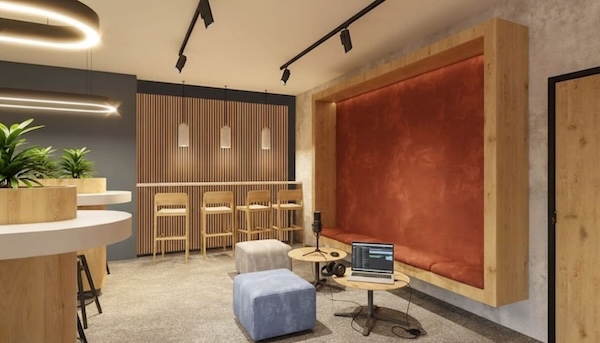
Slat Wood Acoustic Wall Panel in Maple
Where you place your recording setup affects how sound behaves in the room. Microphone direction, wall proximity, and equipment placement all matter.
Try these layout adjustments:
- Angle your mic toward sound-treated walls
- Avoid sitting directly in front of windows or untreated surfaces
- Stay away from HVAC vents or loud appliances
- Sit in the middle third of the room, not against a wall
In small rooms, central placement reduces echo hotspots. In larger rooms, section off your recording area with a divider, booth, or curtain to contain sound reflections.
Make Podcast Soundproofing Easy With Acoustic Wall Panels From Barron Designs
Whether you're just starting your podcast or leveling up your audio game, smart soundproofing is key to producing clean, confident, and professional-sounding episodes. A well-treated recording space saves time in post-production, reduces the stress of editing around unwanted noise, and helps you deliver consistent audio quality that keeps your listeners coming back for more content.
Acoustic panels are a stylish, affordable way to treat both walls and ceilings. They're DIY-friendly and add a polished, modern look to any studio setup. They also give you the flexibility to improve your space gradually. You can start with a few panels and expand as your podcast grows or your recording needs evolve.
Whether your studio is a corner of your bedroom, a converted office, or a full-scale creative workspace, the right acoustic setup creates a more controlled environment that supports better storytelling, better interviews, and a better listening experience. With thoughtful installation, you can reduce echo, tame reverb, block distractions, and elevate your entire production workflow.
Want to see the look and texture before committing? Order an acoustic panel sample to explore different finishes and find the perfect fit for your podcasting space. It's an easy first step toward a studio that works as hard as you do.
Shop Related Products